
Butia capitata, commonly known as the Pindo Palm, Jelly Palm, or Wine Palm, is a species of palm native to South America, specifically the grasslands and dry woodlands of Brazil, Uruguay, Argentina, and Paraguay.
While it is a popular ornamental plant in many parts of the world due to its attractive, feather-like fronds and cold hardiness, its greatest value lies in its abundant, edible fruit.
The fruit of the Pindo Palm has a long history of culinary use, dating back to prehistory, and continues to be a versatile ingredient in both traditional and modern recipes.
This report provides a comprehensive overview of the culinary applications of Butia capitata, covering its flavor profile, nutritional value, and various preparation methods.
The fruit of the Pindo Palm is small and round, about the size of a cherry, and grows in large clusters.
When ripe, the fruit turns a vibrant golden-yellow to orange-red color and emits a sweet, aromatic fragrance. The flavor is a complex and tropical blend, often described as a combination of apple, banana, pineapple, apricot, and a hint of vanilla.
The texture of the fruit is unique; the pulp is juicy but also highly fibrous, which can make eating it fresh a challenge for some.
It is common practice to chew the fruit to extract the juice and flavor, then spit out the fibrous material along with the single large seed.
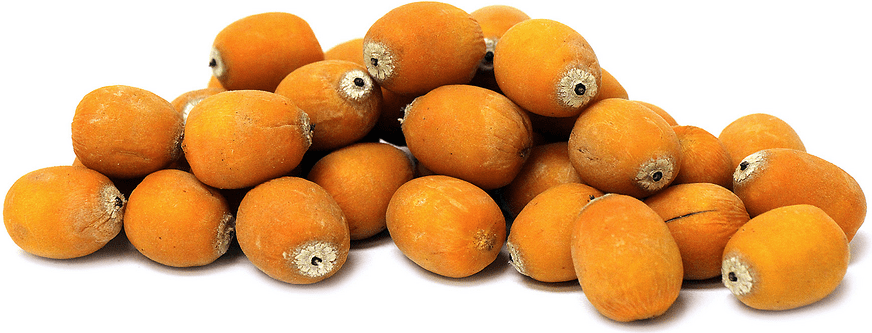
Culinary Applications
The most common culinary application of Butia capitata fruit is in the production of jelly, which is how it earned the name “Jelly Palm.”
The fruit has a naturally high pectin content, a gelling agent that is essential for making jellies and jams.
Jelly and Jam
Making jelly from Pindo Palm fruit is a time-honored tradition.
The process involves cooking the fruit to extract the juice, which is then strained to remove the fibrous pulp and seeds.
The resulting juice is then cooked with sugar to create a sweet, flavorful jelly.
The natural color of the jelly is a yellowish-amber, but it is often tinted with red food coloring for a more appealing appearance.
While the fruit contains natural pectin, some recipes recommend adding commercial pectin to ensure a firm set.
Wine and Other Beverages
The fruit is also used to make a tropical-flavored wine, which has led to the common name “Wine Palm.”
The natural pectin in the fruit can cause the wine to be cloudy, so the use of a pectinase enzyme is often recommended to clarify the final product.
The fermentation process can be lengthy, but the resulting wine is a unique and flavorful beverage.
In addition to wine, the juice of the Pindo Palm fruit can be enjoyed fresh or used as a base for other beverages.
Other Culinary Uses
Beyond jelly and wine, the versatile fruit of the Pindo Palm can be used in a variety of other culinary creations.
The pulp can be used to make pies, cakes, and sorbets.
The sweet and tangy flavor of the fruit also lends itself well to savory dishes, such as barbecue sauces.
The seeds of the fruit are also edible and have a flavor reminiscent of coconut.
They contain up to 45% oil, which can be extracted and used in the production of margarine. The roasted seeds can also be used as a coffee substitute.
Nutritional Profile
The fruit of the Pindo Palm is not only flavorful but also nutritious. It is a good source of bioactive compounds, including carotenoids and phenols, which have antioxidant properties. The fruit also contains Vitamin C and beta-carotene (a precursor to Vitamin A).
Nutrient | Amount | Unit |
Carotenoids | 39.6 | μg/g |
Antioxidant Capacity | 26 | μM trolox/g |
Total Phenols (in pomace) | 20.06 | g GAE/kg dry matter |
β-carotene (in pomace) | 0.22 | g/kg dry matter |
Source:
It is important to note that processing methods can affect the nutritional content of the fruit. Pasteurization has been shown to degrade carotenoids, while both pasteurization and cold storage can lead to a loss of Vitamin C. Therefore, for maximum nutritional benefit, it is best to consume the fruit fresh or use processing methods that minimize heat and storage time .
Preparation and Processing
The most labor-intensive part of processing Pindo Palm fruit is separating the pulp from the large seed and fibrous material. Several methods can be used to accomplish this, including:
- Manual Separation:
The pulp can be cut away from the seed by hand, although this can be a tedious process. - Cooking and Straining:
The fruit can be cooked in water to soften the pulp, which is then strained through a colander or cheesecloth to separate the juice and pulp from the seeds and fiber. - Mechanical Separation:
A blender or electric mixer can be used to help separate the pulp from the seeds.
Once the pulp and juice have been extracted, they can be used in a variety of recipes.
The juice may not be perfectly clear, even after multiple strainings, but this does not affect the flavor or quality of the final product .
Butia capitata, the Pindo Palm, is a versatile and valuable plant, not only for its ornamental beauty but also for its delicious and nutritious fruit.
From jellies and wines to pies and sauces, the culinary applications of the Pindo Palm fruit are numerous and varied.
While the processing of the fruit can be labor-intensive, the unique tropical flavor and nutritional benefits make it a worthwhile endeavor.
As interest in unique and exotic foods continues to grow, the Pindo Palm is poised to gain greater recognition for its culinary potential.