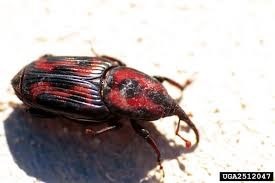
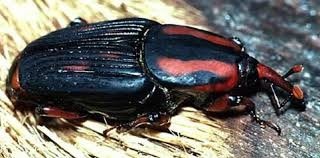
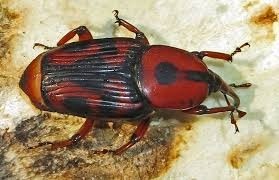
The Palmetto Weevil (Rhynchophorus cruentatus) is the largest weevil in North America and a serious pest of stressed or transplanted palms.

Detection relies on spotting adult weevils, larval feeding damage, and wilting fronds. Remedies include preventive care (avoiding stress during transplanting), chemical treatments, and sanitation practices.

Overview of the Palmetto Weevil

Species:
Rhynchophorus cruentatus (Fabricius)

Distribution:
Native to Florida, USA; found in the southeastern United States.

Hosts:
Primarily attacks Canary Island date palms (Phoenix canariensis), but also sabal palms (Sabal palmetto) and other stressed palms.

Significance:
Once considered minor, now recognized as a destructive pest of nursery and landscape palms.

How to Detect the Pest

Adult Weevils:
Large beetles (up to 25 mm), dark brown to black, often found near the crown of palms.

Eggs & Larvae:
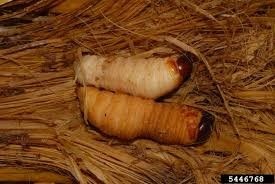
Females lay eggs in wounds or at the base of fronds. Larvae burrow into the crown tissue, causing internal damage.

Symptoms of Infestation:

  • Wilting or collapsing fronds, especially the central spear leaf.
  • Oozing sap or frass (chewed plant material) at the crown.
  • Sudden death of otherwise healthy palms within weeks.

Diagnosis:
Cutting into the crown may reveal larvae or pupal cocoons inside fibrous tissue.

Remedies to Minimize Damage

Preventive Measures

  • Reduce Stress:
    The pest prefers stressed palms. Proper irrigation, fertilization, and careful transplanting reduce susceptibility.

  • Avoid Wounding:
    Minimize pruning injuries, as wounds attract egg-laying females.

Chemical Control

  • Insecticides:
    Preventive trunk sprays or crown drenches with systemic insecticides (e.g., carbaryl, imidacloprid) are recommended for high-value palms.

  • Timing:
    Apply treatments during transplanting or when palms are visibly stressed.

Sanitation Practices

  • Remove Infested Palms:
    Severely damaged palms should be removed and destroyed to prevent spread.

  • Monitoring:
    Regular inspection of nursery and landscape palms for early detection.

Biological & Cultural Control

  • Natural Enemies:
    Some parasitoids and predators exist, but biological control is limited in effectiveness.

  • Cultural Practices:
    Maintaining palm health through proper nutrition and irrigation is the most effective long-term strategy.

Detecting Palmetto Weevil involves monitoring for wilting fronds and crown damage.

Remedies focus on prevention (healthy palms, careful transplanting), chemical protection, and sanitation.

Infested palms often cannot be saved, so early detection and preventive care are critical.

References

  • University of Florida IFAS Extension – Palmetto Weevil, Rhynchophorus cruentatus EDIS Publication IN139
  • Giblin-Davis, R.M. – Biology and Management of Palm Weevils (University of Florida/IFAS, Fort Lauderdale REC) PDF, CISR UCR
  • Florida State Horticultural Society – Notes on the Palmetto Weevil, Rhynchophorus cruentatus Journal Article
Facebook Twitter Instagram Linkedin Youtube