
The Remarkable History of the Medjool Date Palm
Author: Johan Grabe Founder and CEO Koingnaas Palms
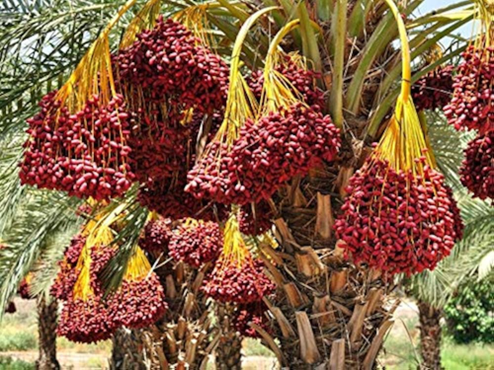
The Medjool date, a cultivar of the date palm (Phoenix dactylifera), is renowned for its large size, soft texture, and rich, sweet flavor.
Often called the “king of dates,” its journey from ancient cultivation to global prominence is a fascinating story of culture, crisis, and scientific intervention. This report details the comprehensive history of the Medjool date palm, from its origins in Morocco to its modern-day status as a worldwide delicacy.
Ancient Origins and Early History
The date palm is one of the oldest cultivated fruits in the world, with archaeological evidence suggesting its cultivation by the Sumerian people in Mesopotamia as early as 6,000 years ago.
The Medjool cultivar specifically originates from the Tafilalt region of Morocco, a fertile oasis that has been a center of date production for centuries [2, 3].
The name “Medjool” is derived from the Arabic word majhūl, meaning “unknown,” a name that belies its long and storied history.
As early as the 17th century, the Medjool date from Tafilalet was celebrated as the “pearl of dates,” commanding high prices in European markets, particularly in England and Spain.
Its exceptional quality made it a prized commodity, transported by caravan across the desert to Moroccan ports for export.
The Bayoud Disease Crisis
In the late 19th and early 20th centuries, the Medjool date palm faced a catastrophic threat that nearly led to its extinction.
A devastating fungal disease known as Bayoud disease, caused by the pathogen Fusarium oxysporum f.sp. albedinis, began to spread through the date palm groves of Morocco and Algeria [4, 5].
First reported in Morocco in 1870, the disease is named after the Arabic word abiadh, meaning “white,” which refers to the characteristic whitish discoloration of the fronds of infected trees.
Bayoud disease has destroyed in one century more than twelve million palms in Morocco and three million in Algeria. Bayoud destroyed the world’s most renowned varieties, including the Medjool.
The impact of Bayoud disease was immense, wiping out millions of date palms and threatening the livelihoods of countless people who depended on them. The Medjool, being particularly susceptible to the disease, was pushed to the brink of extinction in its native Morocco.
The 1927 Rescue Mission
The survival of the Medjool date palm is largely due to the foresight and efforts of Dr. Walter Tennyson Swingle, a plant pathologist from the United States Department of Agriculture (USDA).
In the spring of 1927, Dr. Swingle was part of a French-sponsored research team sent to Morocco to investigate the Bayoud disease epidemic.
During his mission, Swingle visited the Boudenib oasis, about 100 miles east of the main Tafilalt region.
There, he discovered a small, uninfected stand of Medjool palms. Recognizing the urgent need to preserve this valuable cultivar, he arranged to purchase eleven offshoots (young shoots from the base of the palm) to send back to the United States.
These eleven offshoots were transported to the American Southwest and placed in quarantine until 1936 to ensure they were free of disease.
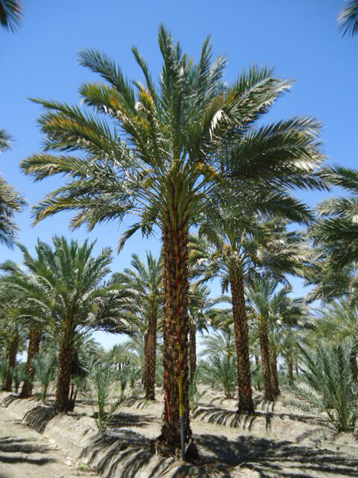
Nine of the eleven offshoots survived and were planted at a USDA research station in California.
Key Figures and Events in the Medjool Rescue
Key Figure: Dr. Walter Tennyson Swingle (USDA Plant Pathologist)
Year of Rescue: 1927
Location of Rescue: Boudenib Oasis, Morocco
Number of Offshoots Acquired: 11
Number of Surviving Offshoots: 9
Quarantine Period: 1927-1936
Initial Planting Location: USDA Research Station, California
Global Proliferation
From these nine surviving palms, a new chapter in the history of the Medjool date began.
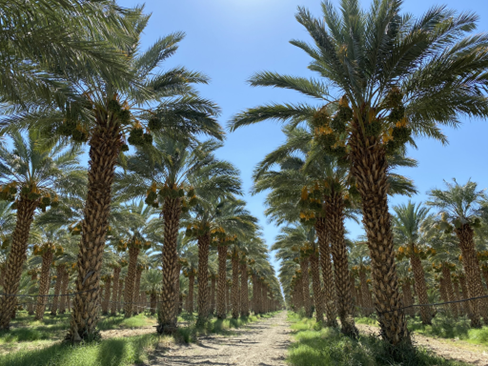
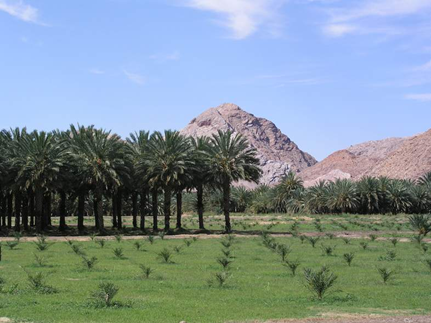
The offshoots were propagated and distributed to American farmers, establishing the foundation for the Medjool date industry in the United States, primarily in California’s Coachella Valley and in Arizona [1, 3].
Today, California produces over 90% of the U.S. supply of Medjool dates.
Starting in the 1960s, the Medjool was introduced from the United States to other countries, including Mexico, Israel, Jordan, Palestine, South Africa, Namibia, and Australia.
In a remarkable twist of fate, all Medjool date palms grown commercially around the world today are descendants of those original eleven offshoots rescued from Morocco in 1927.
The development of in-vitro propagation techniques in the 1990s further accelerated the global spread of the Medjool, allowing for the rapid production of healthy, disease-free palms.
The history of the Phoenix dactylifera ‘Medjool’ is a testament to its enduring appeal and the critical importance of biodiversity conservation.
From its ancient origins in a Moroccan oasis to its near-extinction and subsequent rescue, the Medjool date has become a global symbol of sweetness and resilience.
The story of its survival, thanks to the timely intervention of Dr. Walter Swingle and the efforts of agricultural scientists, ensures that this “king of dates” can be enjoyed by people all over the world.
References
[1] Joolies. (n.d.). 10 Fascinating Facts From Medjool Dates’ History. Retrieved from
[2] Wikipedia. (n.d. ). Medjool. Retrieved from
[3] Medjool Star. (n.d. ). The Mejhoul Date Origin & History. Retrieved from
[5] Wikipedia. (n.d. ). Bayoud disease. Retrieved from
[6] FAO. (n.d. ). CHAPTER XII: DISEASES AND PESTS OF DATE PALM. Retrieved from
[7] JSTOR Daily. (2025, August 13 ). Dates: Civilization’s Sweetest Indulgence. Retrieved from